Easy Printer Setup
Power on your printer to get started.
Next,select Printer Setup to follow an easy, step-by-step guide for setting up, customising, and registering your device.
Click Here for Printer Setup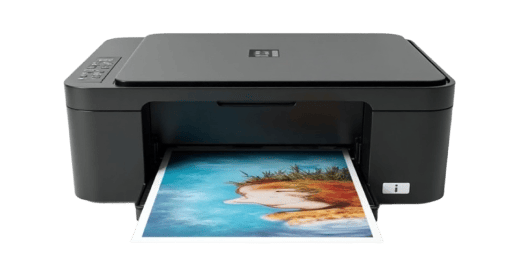
Printer Setup
Issues
Printer Offline
Issues
WiFi Connection
Errors
Paper Jam
Errors
Print Jobs Stuck
in Queue
Scanner
Malfunctions
• Setting up your printer doesn’t have to be complicated. Follow this detailed guide to install, connect, and configure your printer successfully. Each step is accompanied by visual guidance and troubleshooting tips to help you get your printer running smoothly.
Step 1: Unbox and Prepare Your Printer
- Carefully remove the printer and all accessories from the box.
- Remove all protective materials and tapes.
- Place the printer on a flat, stable surface near your computer or Wi-Fi router.
- Plug in the printer and power it on.
- Wait until the printer completes its initial startup and alignment.
If the printer doesn’t turn on, double-check the power cable and wall outlet connection. Avoid using surge protectors or extension cords for the first setup.
Step 2: Download the Latest Software
- Visit the official support page or use the installation CD (if provided).
- Download the latest printer driver and setup utility compatible with your operating system (Windows, macOS, etc.).
- Save the file to your desktop or downloads folder for easy access.
If the download fails, check your internet connection or temporarily disable antivirus software that might block downloads.
Step 3: Connect Your Printer to the Device
Option A – USB Connection
- Plug the printer directly into your computer using a USB cable.
- Wait for the system to detect the printer automatically.
Option B – Wireless Connection
- On the printer’s control panel, open Wi-Fi Setup or Network Settings.
- Choose your Wi-Fi network and enter the password.
- Confirm the connection on-screen or via printer light indicators.
Step 4: Install and Configure Printer Drivers
- Run the downloaded setup file and follow on-screen instructions.
- Choose your preferred connection type (USB or Wireless)
- Wait for the software to detect and configure your printer.
- Complete the setup and restart your computer if prompted.
If the printer isn’t detected, switch USB ports, try a different cable, or disable background antivirus temporarily during installation.
Step 5: Print a Test Page
- After setup, open your printer settings and select Print Test Page.
- Confirm that the printer produces a clean, aligned page without errors
If the test page doesn’t print, ensure the correct printer is selected and that ink or toner cartridges are properly installed.
Step 6: Set Default Printer Preferences
- Open Printers & Scanners from your computer settings.
- Set your new printer as the default.
- Adjust preferences like paper size, print quality, and orientation.
Still Need Help? Connect with Our Online Experts
If you’re still facing issues after completing these steps, our certified support team is ready to help. Connect with our online experts for real-time troubleshooting, personalized guidance, and fast solutions to get your printer running perfectly again.
Click for Chat Assistance